Low-Effort, High-Vibe Meals for Busy People
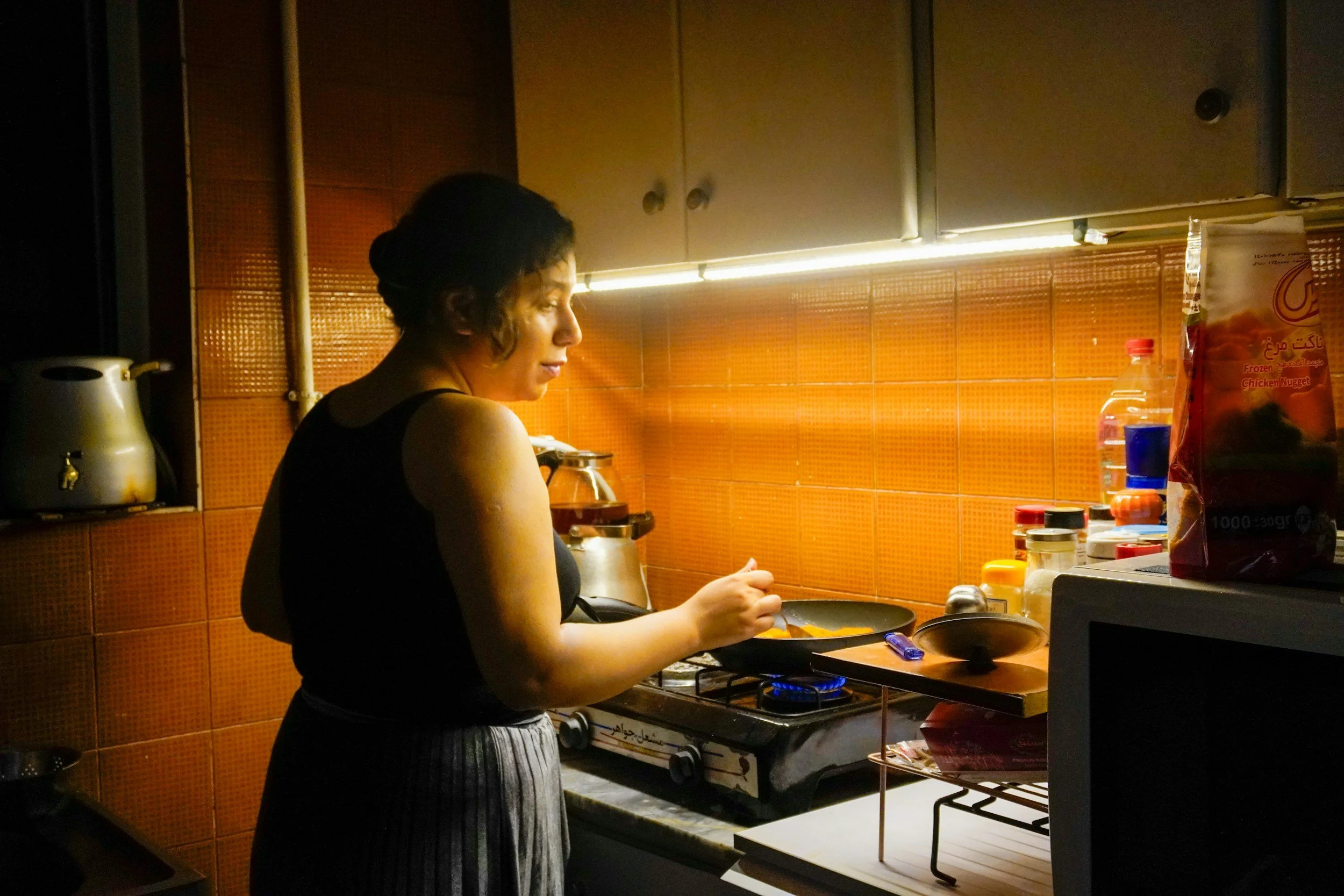
Some days you have time to cook properly; other days you get home hungry, open the fridge, and realise whatever happens next needs to happen quickly. Between work, commuting, studying, caring for people, keeping up with everything at home and trying to get some rest, cooking a balanced meal can easily become one more task on a list that is already too long. But eating well doesn't have to mean cooking everything from scratch, meal-prepping every Sunday, or spending an hour making dinner after an exhausting day.
At Nutriten, we like meals that work with your life. That might mean using frozen vegetables, opening a tin, reheating yesterday’s dinner, assembling something rather than cooking it, or adding one extra ingredient to make a quick meal more satisfying. This post aims to help you build meals that are low effort, satisfying, and nourishing enough to keep you going, without turning food into another project.
Quick answer
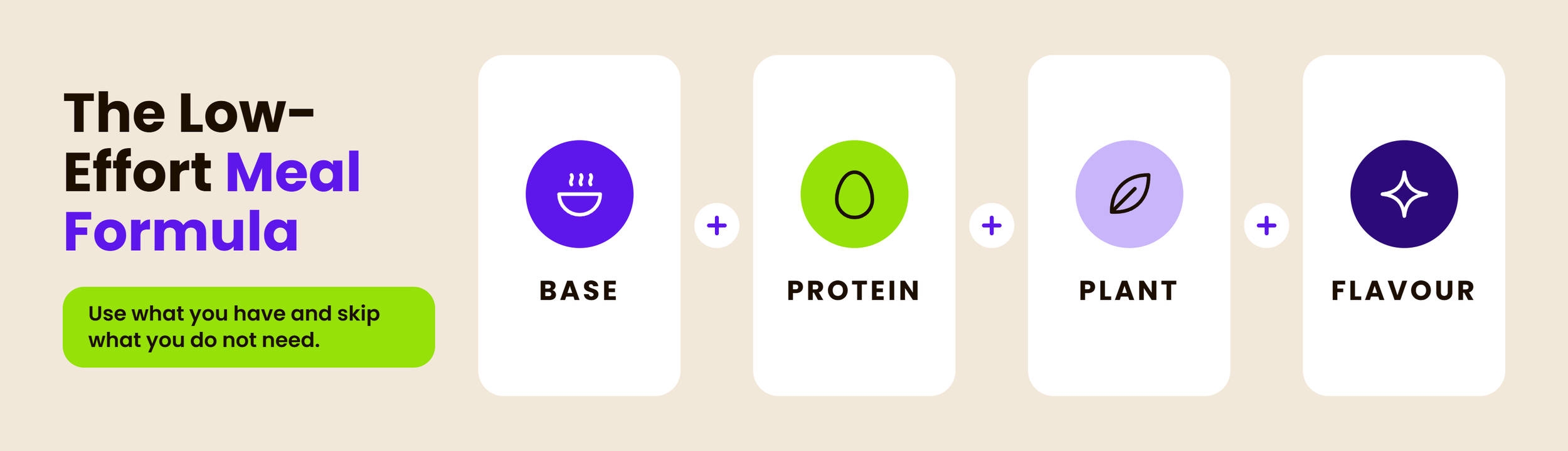
A quick meal can still be balanced. Instead of thinking you need a full recipe, try combining a few simple building blocks: something for energy + something with protein + a plant + something that makes it taste good. That might be microwave rice with eggs and frozen vegetables, toast with tuna and tomatoes, noodles with tofu and greens, or a jacket potato topped with cottage cheese and sweetcorn.
You do not need to cook every component yourself, and you don’t need every meal to look impressive. The goal is simply to make eating well easier to repeat.
What does “low-effort, high-vibe” actually mean?
For Nutriten, “high-vibe” does not mean a meal that looks trendy or contains expensive ingredients. It means a meal that does a few useful things:
gives you enough energy to get through your day
contains some protein, fibre and variety where practical
actually satisfies you
tastes good
does not require more time, money or mental energy than you realistically have
A sandwich, soup, noodles, leftovers, toast, a supermarket rotisserie chicken, a frozen meal you have added vegetables to, or breakfast for dinner can all be high-vibe. Ease isn't the opposite of nutrition, but sometimes ease makes nutrition possible.
Think in building blocks, not recipes
One reason weeknight cooking can feel overwhelming is that we often think we need to choose a complete recipe.
Instead, ask:
“What do I already have, and what can I build from it?”
A simple meal usually needs just a few components.
1. Start with something that gives you energy
This could be:
potatoes
bread
wraps
rice
pasta
noodles
couscous
oats
polenta
bulgur wheat
plantain
another staple you regularly eat
Carbohydrate foods are an important source of energy, and NHS healthy-eating guidance includes starchy carbohydrate foods as part of an overall balanced diet.
2. Add some protein
Think:
eggs
canned tuna
sardines
tofu
edamame
rotisserie chicken
cooked turkey
Greek yoghurt
cottage cheese
lentils
butter beans
falafel
leftover meat or fish
You are not looking for a perfect amount, just something to make the meal a little more substantial.
3. Add a plant
This doesn't mean chopping five vegetables.
Use what is easiest:
frozen peas
bagged salad
cherry tomatoes
pre-cut vegetables
canned sweetcorn
kimchi
leftover roasted vegetables
fruit alongside the meal
frozen spinach stirred into something hot
Convenience still counts.
4. Add flavour and satisfaction
This is often what turns ingredients into a meal you actually want to eat.
Try:
pesto
salsa
chilli crisp
hummus
tahini
grated cheese
avocado
yoghurt dressing
olives
herbs
pickles
lemon or lime
spice blends
Nutrition is much easier to maintain when the food tastes good.
Six low-effort meals for the days you cannot be bothered
These are not recipes you need to follow exactly; they show how simple ingredients can become a meal.
1. Crispy potato bowl
Microwave or leftover potatoes + smoked salmon or cottage cheese + cucumber + capers + yoghurt and dill, a little cooking but plenty of flavour.
2. Speedy tofu noodles
Quick-cook noodles + tofu + frozen stir-fry vegetables + soy sauce + sesame oil or chilli crisp. Everything can come together in roughly the time it takes the noodles to cook.
3. Falafel wrap
Wrap + ready-made falafel + hummus + bagged salad + tomato + pickles. No full-on cooking required.
4. Eggs on toast, upgraded
Sourdough or whatever bread you have + scrambled or fried eggs + tomatoes + spinach + pesto. Breakfast foods do not stop being useful after 10 am.
5. Ten-minute pasta
Pasta + pesto + frozen peas + cannellini beans + grated Parmesan or another cheese. Keep a tin of beans and frozen peas around, and you are halfway there.
6. The “I have leftovers” plate
Yesterday’s food + one easy addition.
That might mean:
leftover roast vegetables + eggs
leftover couscous + chickpeas + feta
leftover meat + wrap + salad
leftover pasta + spinach + tuna
leftover soup + toast + cheese
You don't need to reinvent leftovers into a completely different recipe.
Sometimes reheating them is enough.
The underrated skill: having backup food
One of the easiest ways to make eating well harder is to assume your future self will always have the energy to cook. Keeping a few backup foods at home means a difficult day does not automatically turn into having nothing to eat.
Freezer
frozen vegetables
frozen fruit
frozen fish fillets
frozen dumplings
frozen cooked grains
frozen leftovers
Cupboard
tinned beans
tinned fish
pasta
noodles
couscous
soups
tomato sauce
nut butter
crackers
Fridge
eggs
yoghurt
hummus
cheese
bagged salad
cooked protein
sauces and condiments
The aim is to have a few foods that can rescue a meal.
Convenience food is not cheating
Frozen vegetables are already chopped, canned beans are already cooked, microwave grains are already prepared, and bagged salad has already been washed - someone has done part of the work for you. Sometimes people assume eating well only counts when everything is homemade, but convenience foods can cut prep time and make varied meals much more achievable.
The question does not have to be:
“Did I make this from scratch?”
A more useful question is:
“Did this help me eat?”
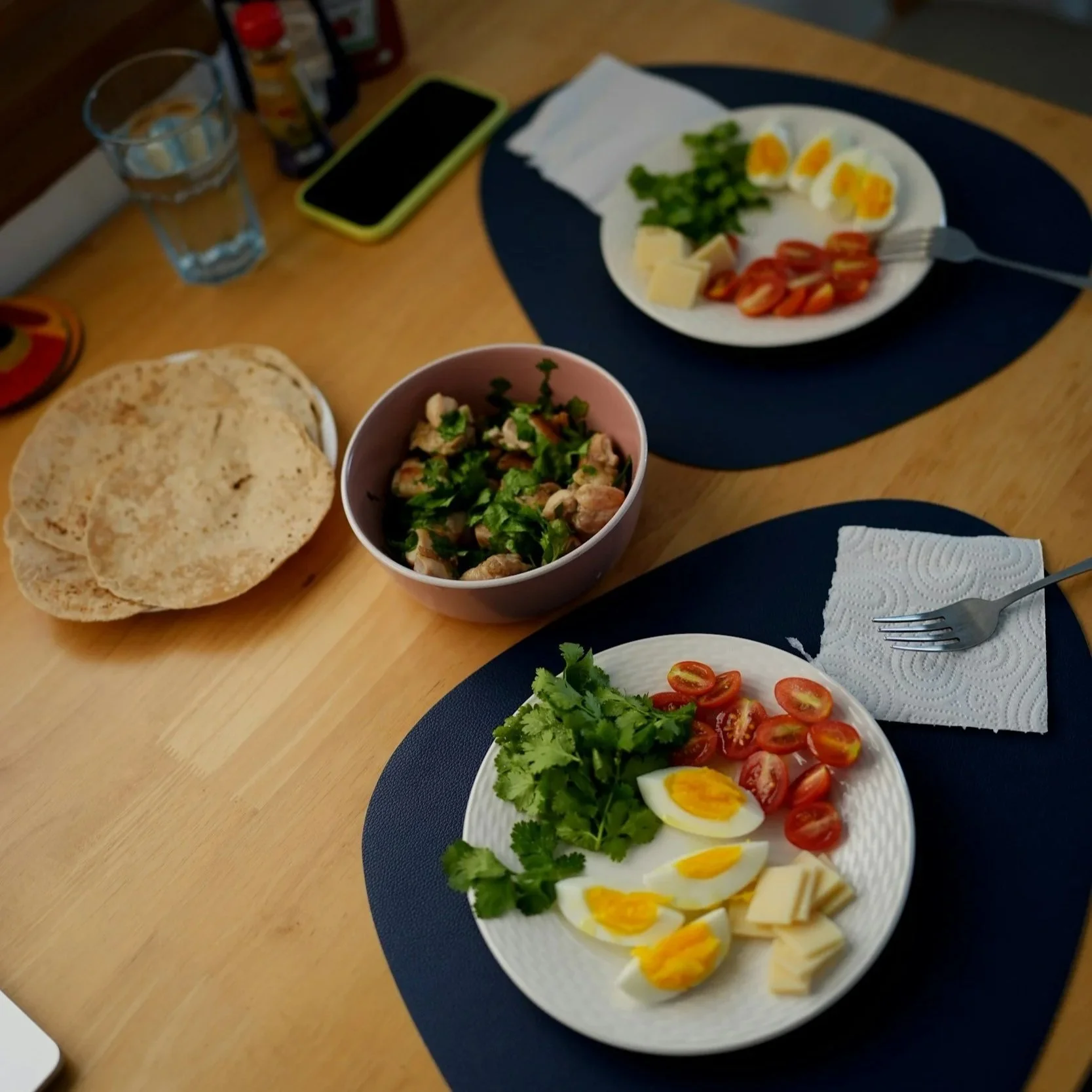
Meal prep does not need to mean seven identical boxes
Meal prep can be useful, but it is often presented as though you need to spend half of Sunday preparing every meal for the week. However, it’s not the case; try component prep instead.
Prepare one or two things that remove friction later.
That could mean:
boiling a few eggs
roasting a tray of vegetables
cooking extra potatoes
making a pot of couscous
washing fruit
mixing a dressing
cooking double at dinner so tomorrow's lunch already exists
Even preparing one component can make tomorrow easier.
Try the 10/20/30 minute method
Instead of asking whether you have time to “meal prep”, ask how much time you actually have.
If you have 10 minutes
boil eggs
portion snacks
prepare overnight oats
chop a few vegetables
make a dressing
organise tomorrow's lunch
If you have 20 minutes
cook one grain
prepare a protein
roast or air-fry vegetables
make one quick lunch
If you have 30 minutes
cook two building blocks
prepare a sauce
portion leftovers
assemble a couple of meals for your busiest days
You do not need a three-hour prep session to make your week easier; ten minutes still counts.
Put it into practice: create your three emergency meals
Instead of planning your entire week, choose three meals you can make almost automatically. They should use foods you usually keep around and require very little thought.
For example:
Emergency meal 1:
Toast + eggs + tomatoes
Emergency meal 2:
Noodles + tofu + frozen vegetables
Emergency meal 3:
Soup + bread + cheese + fruit
Your versions might look completely different. The point is to decide now, while you have the mental space, so you don't have to decide when you are tired and hungry, and those three meals can become your personal fallback system.
Want to make busy-week meals even easier?
Download the Nutriten Meal Prep Guide, a simple system for planning a few building blocks, shopping with less stress and prepping according to the time you actually have. No seven-day container marathon required.
Your takeaway
You don't need more complicated recipes; you need a few meals you trust, ingredients that make life easier, and permission to use convenience when you need it.
Start with the foods you already buy.
Keep a few backup options around.
Think in building blocks, not complete recipes.
Prepare one thing when you have time.
When you don’t have time, assemble something simple and move on with your day.
A meal does not need to be impressive to do its job. Sometimes, being fed, satisfied and back to your life is exactly the win.
Join the Alafia Circle
If you enjoy practical nutrition that fits real schedules, budgets, and energy levels, join the Alafia Circle. We share practical nutrition education, free tools, and realistic ways to make self-care easier.
Stay happy, stay healthy, stay you!
This article provides general nutrition education and does not replace personalised medical or dietetic advice. Individual dietary needs can vary depending on health conditions, allergies, pregnancy, medications and other circumstances.