

Some days you know you need to eat; you plan to stop for lunch, then you look at the clock and realise several hours have passed without you consuming much more than a coffee. If that happens when life gets particularly busy or stressful, there is usually more going on than simply being “bad at remembering to eat”.
Stress can affect appetite and eating habits in different ways, which is part of why the conversation around “stress eating” can feel so narrow. Some people notice that they want to eat more when they are stressed, while others lose interest in food, forget meals completely or move between both patterns depending on what is happening in their life. Research on stress and eating reflects this variation, with acute stress often associated with reduced appetite, while longer-term stress can affect food intake differently from person to person.

Quick answer
If you forget to eat when you’re stressed, your appetite may genuinely feel quieter than usual, but stress can also disrupt the routines and cues that normally remind you to eat. When work, responsibilities, worry, or a long to-do list takes over, you can keep pushing meals back until you suddenly realise most of the day has gone.
A few things that can help are keeping one or two easy meals in the house, setting a reminder for lunch if you regularly lose track of time, preparing extra portions when you already have the energy to cook, or using convenient foods like microwave rice, frozen vegetables, tinned foods and pre-chopped ingredients to make eating require less effort. For many people, figuring out whether the main issue is appetite, distraction, routine, or the effort of preparing food makes it easier to find something that actually helps.
Why can stress make you lose your appetite?
Your stress response involves several changes in the body designed to help you respond to whatever feels urgent in that moment. During an acute stress response, systems involved in appetite regulation can temporarily suppress the desire to eat, so someone can be physically due a meal without feeling the hunger they normally rely on as a reminder.
You may have experienced this after receiving difficult news, before an important event, during a particularly intense workday, or when you have had so much going on mentally that food barely crosses your mind. You might eventually sit down to eat and realise you are not especially interested, even though you’ve hardly eaten.
It gets slightly more complicated because stress doesn’t affect appetite in one predictable direction. Cortisol and other systems involved in the stress response also interact with appetite regulation, and longer-lasting or repeated stress can be associated with increased food intake or a greater preference for certain foods in some people. This is one reason two people can experience the same stressful period very differently, and even the same person might notice that one stressful week leaves them forgetting meals while another has them wanting to eat more frequently.
So when we talk about nutrition and stress, it's more useful to understand your own pattern than to assume stress should make you eat in one particular way.
Sometimes your appetite is fine, but your routine has disappeared
There is also a much less biological explanation for why you might forget to eat when you’re stressed: you are occupied.
A normal day often contains more eating cues than we realise. You get up and have breakfast before leaving the house, lunch happens during a work break, and dinner tends to fall around the end of the workday or when everyone gets home. Those patterns help organise eating without requiring a deliberate decision every time.
Stress can remove that structure surprisingly quickly. Perhaps your lunch break becomes the easiest part of the day to sacrifice when work builds up, your morning starts earlier so breakfast gets pushed back, or you are dealing with something at home and keep telling yourself you will eat once you have finished the next thing. When that continues for a few hours, forgetting to eat can be less about not caring about food and more about food repeatedly losing the competition for your attention.
This is relevant if you tend to get absorbed in what you are doing. Hunger may be in the background, but it's easy to ignore when your attention is focused elsewhere, especially if your day no longer includes the usual moments that would prompt you to stop.

By the time you remember to eat, cooking can feel like another job
One frustrating thing about missing meals on a stressful day is that the solution gets harder the longer you put it off. You might reach late afternoon knowing perfectly well that you need something to eat. Still, by then you are tired, you have already made a ridiculous number of decisions, and figuring out what to cook, checking what ingredients you have, preparing it, and then cleaning up afterwards feels far bigger than it would on an ordinary day.
This is where realistic nutrition matters. Eating well during a stressful period does not have to depend on having enough energy to prepare everything from scratch. Frozen vegetables, tinned foods, pre-chopped ingredients, microwave rice, ready-cooked proteins, leftovers and other convenient options can all make eating easier when your capacity is low. A simple meal that you actually eat is far more useful than an elaborate dinner that exists only as a plan in your head.
You could have eggs on toast, soup with bread, microwave rice with an easy protein and vegetables, yoghurt with oats and fruit, a sandwich made with whatever you already have available, or a portion of curry, stew, pasta sauce or another familiar meal that you cooked earlier and put in the freezer. The exact food matters less than having options that fit your life well enough to stay realistic when the stressful week arrives.

You may need something other than hunger to remind you to eat
If stress tends to reduce your appetite, waiting until you feel strongly hungry may not be the most reliable way to decide when to eat. Some people notice they can go much longer than usual without a clear hunger signal. By the time their body gets their attention, they are already tired, irritable, struggling to concentrate, or suddenly ravenous. That doesn't mean you need to eat on a rigid timetable, but it can help to have another cue when your usual one becomes less obvious.
You might decide that lunch happens after a particular meeting, before you start the next block of work or at roughly the same time each day. If you consistently lose track of time, setting a reminder can also be surprisingly helpful, particularly during a temporary stressful period when your usual cues aren’t doing much to prompt you.
The point is not to create another rule around food. You are simply making it easier to remember something that everything else is currently pushing out.
Prepare for stressful-you, rather than ideal-week-you
A lot of nutrition advice works great when you have time, energy, and a predictable routine, but it falls apart the moment life gets busy.
If you already know stress affects your appetite or makes cooking feel difficult, plan around that version of your week rather than assuming you will suddenly want to spend an hour preparing dinner when you are exhausted. That might mean keeping two or three meals in the house that require little thought, cooking extra portions when you are already making something, using your freezer, or buying convenient ingredients that cut down on prep without completely changing what you normally like to eat.
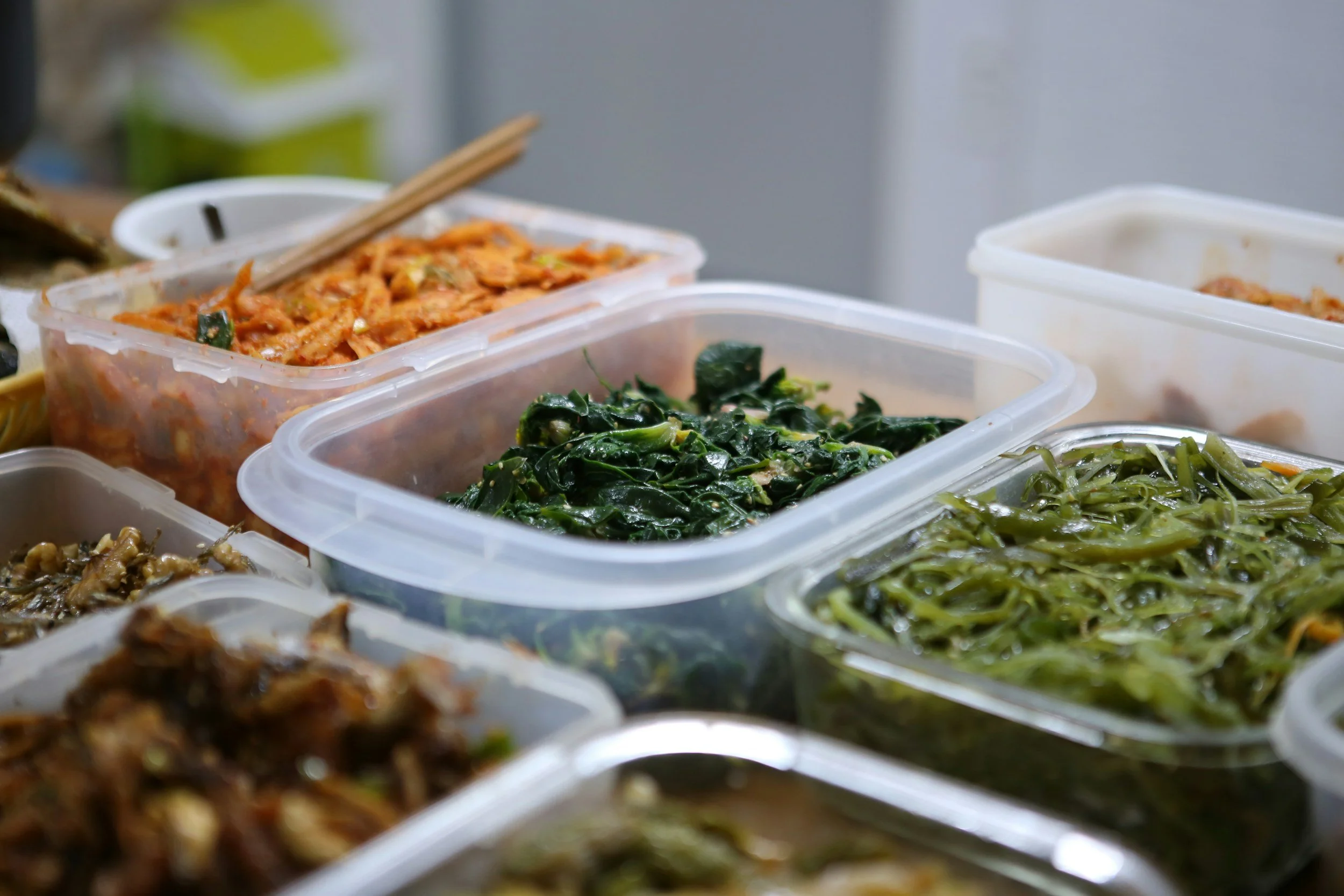
It should also still look like food that belongs in your life. Someone might rely on a simple rice dish, another might keep soup in the freezer, while someone else knows toast, eggs, and fruit are what they are most likely to manage on a difficult day. Traditional foods, family meals, and familiar flavours don't need to disappear just because the goal is convenience. You can make food easier while still keeping the parts of eating that feel familiar and enjoyable to you. Having a “backup meal” is really just accepting that not every day will have the same capacity.
Start by noticing what changes first
If you often forget to eat when stressed, start by noticing the first part of your eating routine that changes, because that usually tells you more than trying to fix your whole diet at once. For you, breakfast might disappear as soon as mornings get busy, while someone else notices they eat normally until evening and then have no energy left to cook. You might still feel hungry but keep delaying lunch, or your appetite may genuinely drop, making larger meals hard to manage.
Once you know what is actually happening, the solution becomes much more specific. If lunchtime keeps disappearing into work, set a reminder or keep something easy ready. If evenings are the problem, keeping a freezer meal available makes more sense. If your appetite feels low, you may find smaller, manageable meals or snacks easier than waiting until you feel ready for a full plate. That is much more useful than expecting yourself to become perfectly organised when you are already stressed.
Takeaway
You may forget to eat when you’re stressed because stress affects appetite, but it can also happen because your normal eating routine has been disrupted. You keep putting food off for everything else that needs your attention. Instead of overhauling your eating during an already difficult week, make one change and keep it simple. That could mean keeping a reliable breakfast on hand, setting something aside for lunch before the day gets busy, keeping a few low-effort meals at home, or using convenient foods so you have fewer decisions to make. Nutrition still has to work when your energy, time and attention are limited, because those are usually the moments when a complicated routine is least likely to survive.
If your loss of appetite is persistent, you regularly can't eat enough, you are losing weight without intending to, or you are experiencing symptoms such as dizziness, weakness, or feeling unwell, it is worth speaking to a GP or another appropriately qualified healthcare professional.
Want more realistic nutrition support?
If you like this approach to nutrition, Alafia Circle is where we continue these conversations every Friday, with practical nutrition guidance, useful resources and a more realistic look at how eating fits around everyday life.