

As the weather gets colder, immune-support advice starts appearing on everything from drinks to supplement packets. You might find yourself adding oranges to the shopping basket or wondering whether your usual meals are giving you what you need. At the same time, there’s still dinner to organise. You may be getting home after dark, working with a tight food budget or trying to make something everyone in the house will eat. Nutrition advice can help you make those decisions. Food supports your immune system, and understanding that role can make the advice easier to use. You can do plenty with familiar ingredients and meals you already enjoy.
Key takeaways
Eating a varied diet helps provide the energy and nutrients your immune system needs to function normally, without relying on one particular food or drink.
You can add variety to familiar meals by including ingredients that suit the dish, such as beans in a stew or vegetables alongside eggs on toast.
Frozen vegetables, tinned pulses and prepared ingredients can reduce the effort involved in cooking when time or energy is limited.
Adults in the UK should consider taking 10 micrograms of vitamin D daily during autumn and winter, while following any individual advice they’ve received.
Eating well supports your immune system but cannot guarantee protection from illness, so be cautious about claims that foods or supplements prevent infections.
How food supports your immune system
Your immune system includes cells, tissues and organs that work together to protect you from infection. Doing that work requires energy and a range of nutrients, which is where your diet comes in. Protein provides building materials for immune cells and antibodies. Vitamins and minerals, including vitamin C, vitamin D, and zinc, also support normal immune function. These nutrients have different roles, so relying on one food leaves out much of the picture.
As the British Heart Foundation explains, a varied, balanced diet helps supply what your immune system needs. No single food or supplement can supercharge it, and eating well cannot guarantee that you’ll avoid getting ill. For everyday eating, this means paying attention to the range of foods you have available and whether you’re eating enough. A squeezed lunch break or several evenings without the energy to prepare dinner deserves attention alongside the ingredients on your plate.
Foods to support your immune system can be familiar foods
There’s no separate category of meals you need to start cooking for immune health. Many of the ingredients involved are already used in everyday dishes. Beans, lentils, eggs, fish, meat and tofu are examples of protein foods. Fruit and vegetables contribute vitamins, minerals and fibre, while foods such as rice, bread, potatoes and oats provide energy. Dairy foods or suitable fortified alternatives can also contribute to a varied diet. The NHS Eatwell Guide explains how these groups fit together across your overall eating pattern.
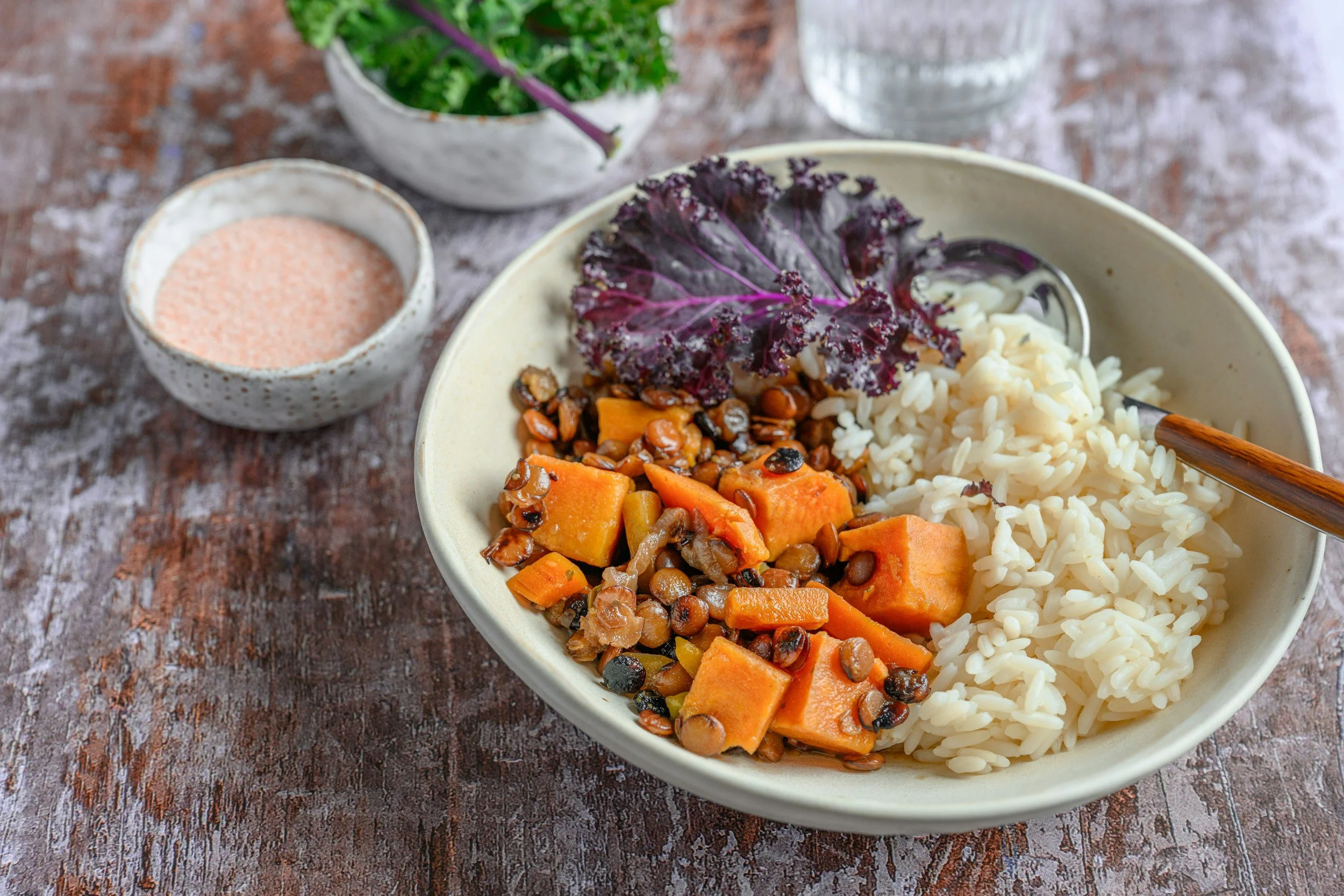
Take dhal with rice; the lentils already provide protein, and you could cook spinach into the dhal or serve vegetables alongside it. With a fish stew, you might include tomatoes and peppers, then serve it with yam or another familiar accompaniment. A noodle dish could include tofu and bok choy, depending on what you enjoy and have available. Some dishes already combine several food groups in the same pot. Others work well with an accompaniment. Looking at what’s already there helps you make useful additions without assuming the whole meal needs changing.
If you’d like more detail on the foundations, our blog post on what a balanced diet actually looks like explores how to apply them to everyday eating.
Build variety in ways that suit your kitchen
Eating a wider range of foods can sound expensive if you picture buying lots of fresh ingredients every week. It becomes more manageable when ingredients can work across several meals. A bag of frozen spinach could go into dhal one evening and an omelette later in the week. Tinned tomatoes can form the base of a bean stew or pasta sauce. Carrots might go into soup, be served alongside dinner or be eaten with a dip at lunch.
Fresh, frozen and tinned fruit and vegetables can all contribute to your intake. Choose the versions you’ll use and can afford, rather than buying fresh food that becomes another thing to prepare before it spoils. It can also help to vary ingredients within a familiar recipe. If you regularly make a stew, try a different bean or vegetable when it’s available. Keeping the same preparation method and seasoning reduces how much you have to think about. You can look at balance across the day or week. The NHS guidance recognises that every individual meal doesn’t need to contain the same proportions of each food group.
Build a balanced plate with your free Holistic Plate Guide 💜
Make balanced eating simpler with a practical guide to building meals that work for you.
Make room for the evenings when cooking feels difficult
Knowing what you’d like to eat and having the energy to prepare it are different challenges. During a busy week, keeping a few manageable options available can help you put the advice into practice.
For a warming lunch, you could combine tinned tomatoes, a drained tin of beans and frozen vegetables with stock or water. Season to taste, cook the ingredients thoroughly, and have bread alongside if you’d like. The ingredients can stay available until you need them, and they require very little chopping.
For dinner, a jacket potato with beans may be something you can manage while doing other things at home. Eggs with toast and vegetables could suit an evening when you want something quicker. Prepared vegetables or microwave grains can reduce the work involved in a dish you already enjoy.
Choose options according to the part of cooking you find difficult. If deciding is the problem, write down a few familiar meals. If preparation takes too much energy, keep ingredients that need less of it. Before your next shop, check whether you already have most of what you need for one of those meals.
Vitamin D needs particular attention in winter
Vitamin D is worth considering separately because UK sunlight isn’t strong enough for us to make enough of it during autumn and winter. The NHS advises adults to consider a daily supplement containing 10 micrograms of vitamin D during these months. Some people are advised to take it year-round, including those with very little sun exposure. People with dark skin may also need a year-round supplement.
Vitamin D is found in a limited range of foods, including oily fish, egg yolks and some fortified products, but it can be difficult to get enough through food alone. Follow any individual advice you’ve received, and check with a pharmacist or healthcare professional if you’re unsure which supplement suits you. This guidance helps you meet your vitamin D needs. It doesn’t mean taking a higher dose will give you greater protection from winter illnesses.
Getting more support with your eating routine
You may already have meal ideas in mind but find it difficult to turn them into a routine you can maintain. Perhaps you make plans at the start of the week, then struggle to keep up once work or family commitments take over.
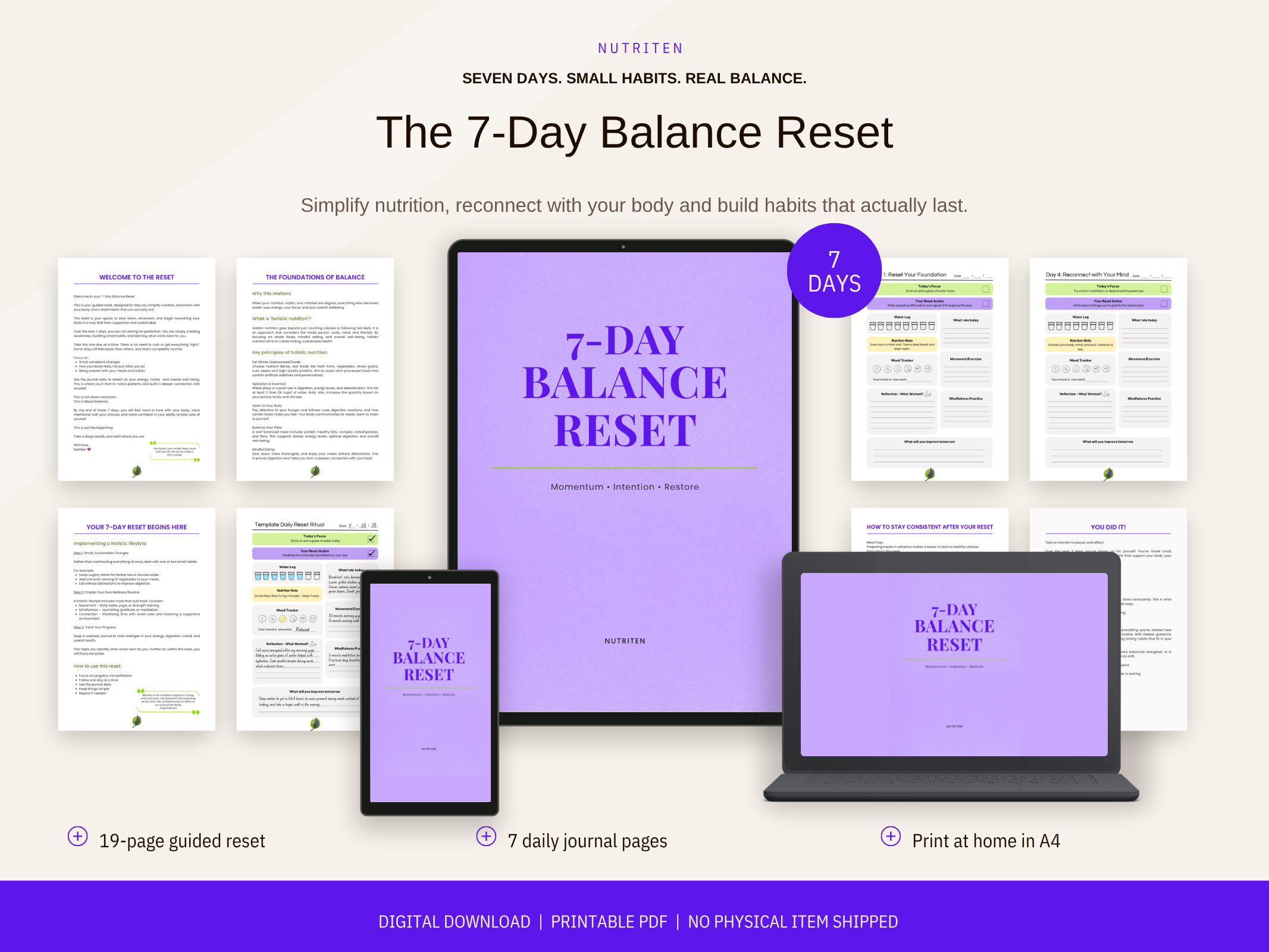
Nutriten’s 7 Day Balance Reset is a guided digital resource designed to help you reconnect with your eating habits and build a manageable routine. It includes daily goals, a reset journal, recipes, and practical tips, plus bonus challenges to help you explore changes throughout the week.
If you’d like a more guided way to work on your habits, you can explore the 7 Day Balance Reset here.
If you’d like to get to know Nutriten a little more before buying, you’re welcome to join Alafia Circle, our Friday email community. We share practical nutrition advice and food ideas you can try at home, with space to explore the everyday challenges of eating well. Join Alafia Circle here.
For your next meal, start by checking what you already have and what you feel able to prepare. You might add beans to a soup, use the vegetables in your freezer, or make enough of a familiar dish for another meal. Choose something you can put into practice this week, then give yourself the chance to see how it fits.